Lithophane: what it is, how it works and which photos work best
A lithophane only shows a photo against light. How it works, where the technique comes from, which photos work best and how to display it beautifully.
By 3D-Freude · · 2 min read
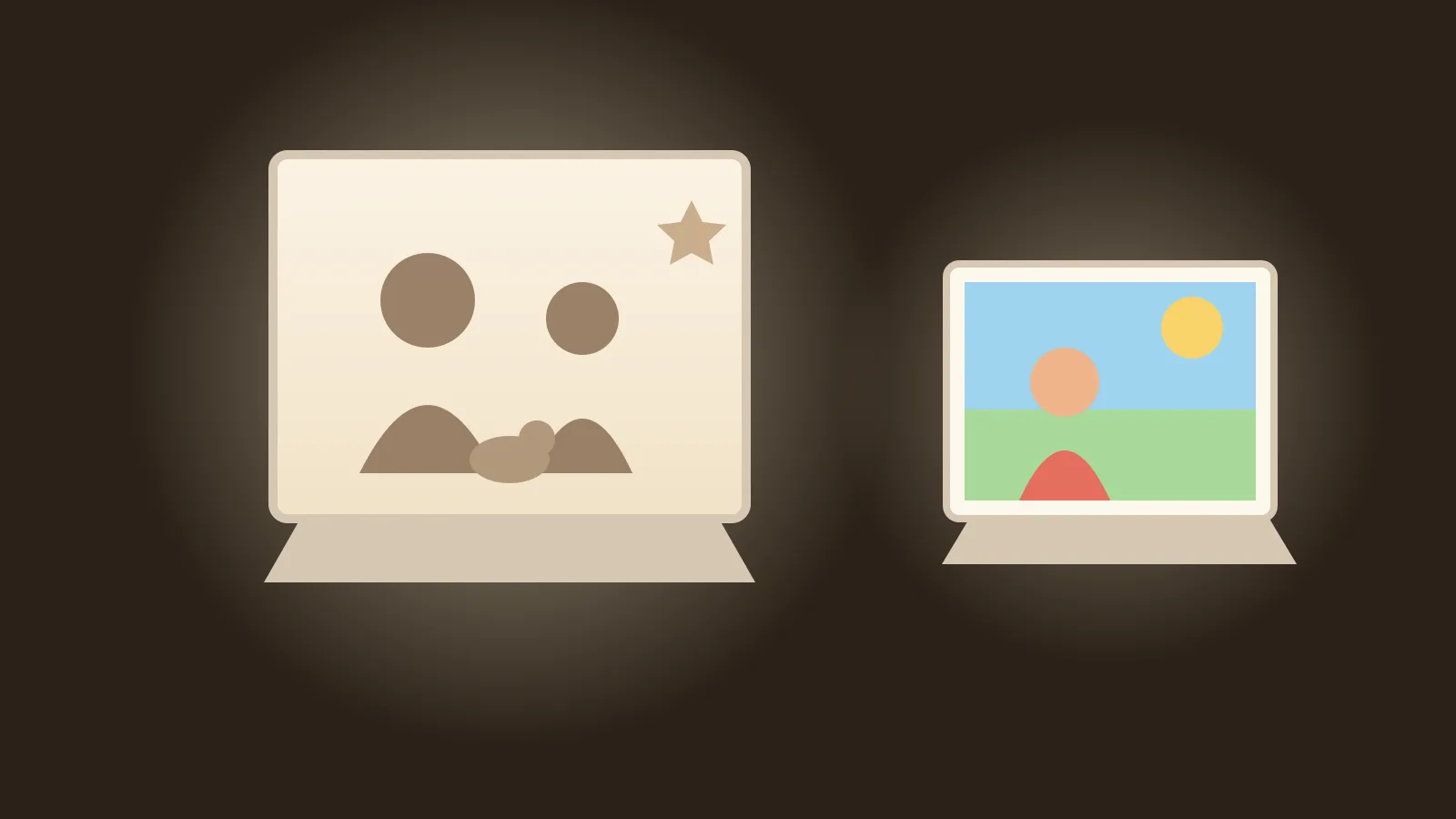
In short: A lithophane is a thin, translucent relief that only reveals a picture against light. Thick areas look dark, thin ones bright. Photos with clear faces and good contrast work best. Today lithophanes are mostly 3D-printed – in classic white or in colour.
In daylight a lithophane looks like a delicate white relief with only hints of a picture. Put it in front of a window or a lamp and the whole image suddenly appears – almost like an old photograph. That moment is what makes lithophanes such special gifts.
How does a lithophane work?
The principle is simple: light shines through the material. Where it is thick, little light gets through and the area looks dark. Where it is thin, it glows. A photo becomes a map of thicknesses: bright parts are printed thin, dark parts thick. The differences are often only fractions of a millimetre.
A little history
Lithophanes have existed since the 19th century, when pictures were pressed into thin, unglazed porcelain and used as lampshades or window pictures. 3D printing has revived the technique: thickness can be controlled layer by layer, and any photo can become the template.
Which photos work best?
| Works well | Works less well |
|---|---|
| portraits with clear faces | very dark photos |
| couples, families, grandparents with grandchildren | group photos with many small faces |
| close-ups of pets | blurry or shaky pictures |
| children's drawings with strong lines | very busy backgrounds |
| old black-and-white photos | backlit photos |
Tip: a crop where the faces are large almost always looks better than the whole photo.
Classic white or colour?
- Classic white: the picture appears in warm shades of grey. Timeless and especially lovely for old family photos.
- Colour: several colour layers show the photo in colour against light. Printing takes longer, so it costs a little more.
How do I display a lithophane?
A lithophane needs light from behind. A window during the day is easiest. In the evening an LED tea light or a small lamp behind the stand is enough. Please don't put real candles directly behind it: the plastic doesn't like heat.
A lithophane as a gift
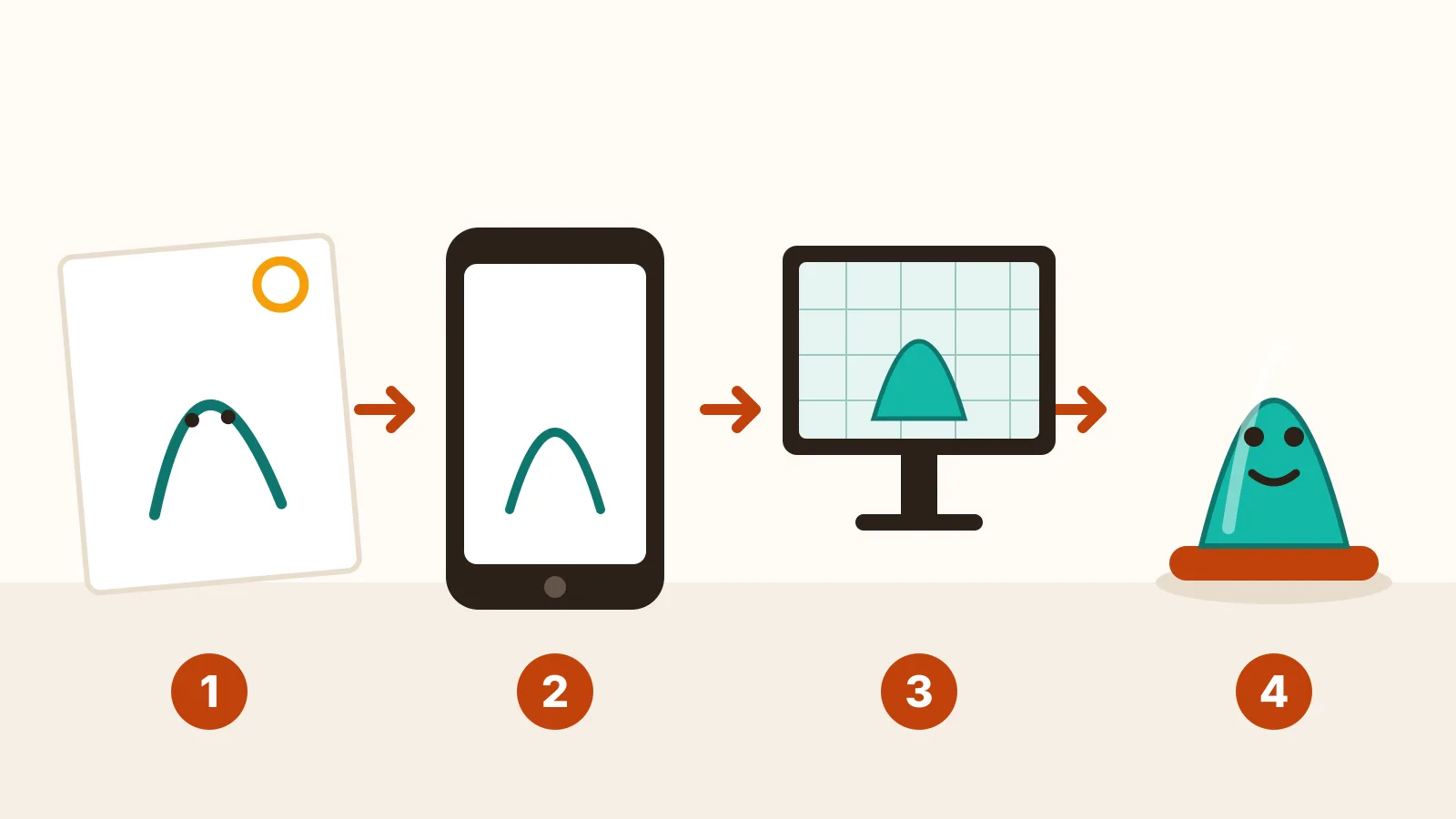
A lithophane suits many occasions: Christmas for the grandparents, a birth with the first family photo, an anniversary, or as a keepsake of a pet. At 3D-Freude we print lithophanes in two sizes, classic white or colour, each with a stand. In the order form you instantly see an approximate preview of how your photo looks against light.
Frequently asked questions
- What is a lithophane?
- A thin relief made of translucent material. Thick areas let little light through and look dark, thin areas glow brightly. In front of a light source a picture appears – usually a photo.
- Where does the lithophane come from?
- The technique dates back to the 19th century, when pictures were pressed into thin porcelain. Today lithophanes are mostly 3D-printed, because the thickness can be controlled very precisely.
- Which photos work best for a lithophane?
- Photos with clear faces, good contrast and a calm background. Portraits, couples, pets and children's drawings with strong lines look especially lovely. Very dark or blurry photos work less well.
- Are there colour lithophanes?
- Yes. Colour lithophanes are printed in several colour layers and show the photo's colours against light. Classic white lithophanes show the picture in warm shades of grey.