Lithophane – your photo as a glowing picture
A photo or a child's drawing as a 3D-printed lithophane: a delicate relief in daylight, a glowing picture against light. Classic white or in colour.
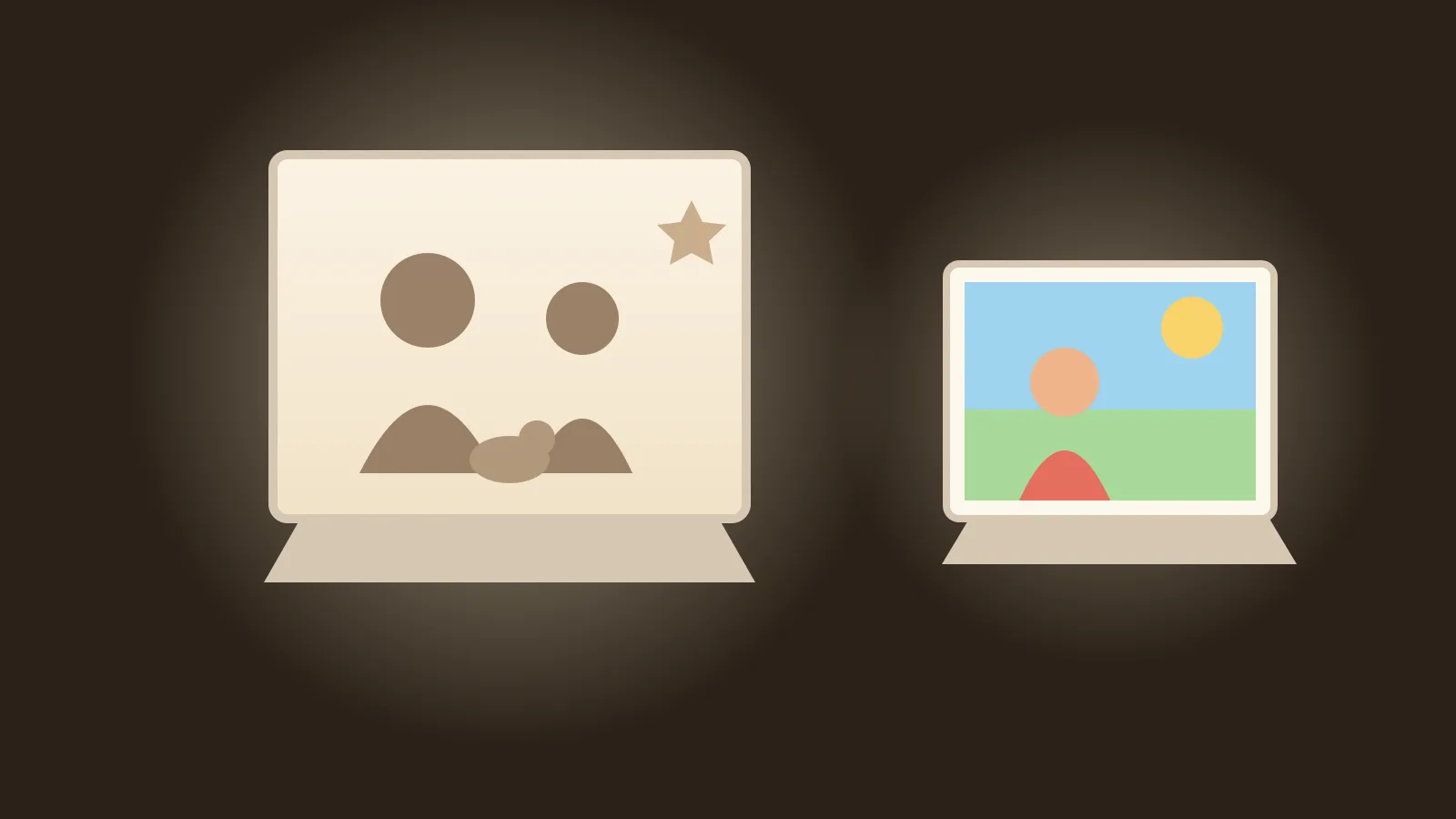
In daylight it looks like a delicate white relief. Put it in front of a window or a lamp and your photo suddenly appears: the family's favourite picture, the dog on the sofa or your child's drawing. We print every lithophane individually in our workshop near Berlin.
How your lithophane is made
- Upload a photo: When you order, you upload a photo or a drawing.
- We prepare it: We adjust crop and contrast so the picture looks good against light. If needed, we ask you.
- Printing and shipping: It is printed in fine layers, then checked and packed by hand.
Classic white or colour
- Classic white: The picture appears in warm shades of grey – timeless and especially lovely for old family photos.
- Colour: Several colour layers show the photo in colour against light.
Sizes
- 10 × 15 cm – like a classic photo print, ideal for a windowsill or bedside table.
- 13 × 18 cm – more room for details and group photos.
Every lithophane comes with a matching stand. A lamp is not included – a window or an LED tea light behind it is enough.
Current prices are on this page and under Products & prices. Prefer a figure to stand up? Have a look at the figure from a photo.
Frequently asked questions
- What is a lithophane?
- A thin printed relief. Thick areas let little light through and look dark, thin areas glow brightly. In front of a window, a lamp or an LED light, the photo appears.
- Do I need a lamp?
- A window during the day or a small lamp or LED tea light behind it is enough. The lithophane comes with a stand; a lamp is not included.
- Which photos work best?
- Photos with clear faces, good contrast and not too many tiny details. Portraits, pets and children's drawings with strong lines look especially lovely.
- What is the difference between white and colour?
- Classic white shows the picture in warm shades of grey, like an old photo. Colour is printed in several colour layers and shows the photo's colours against light – it takes longer and costs a little more.